Watercolor Floral Border
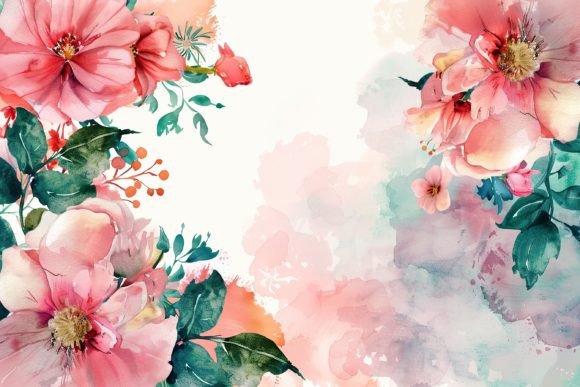
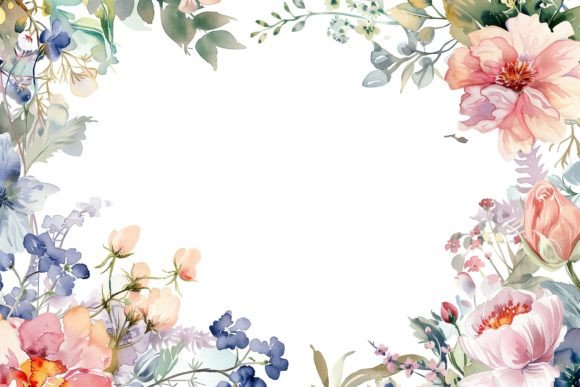
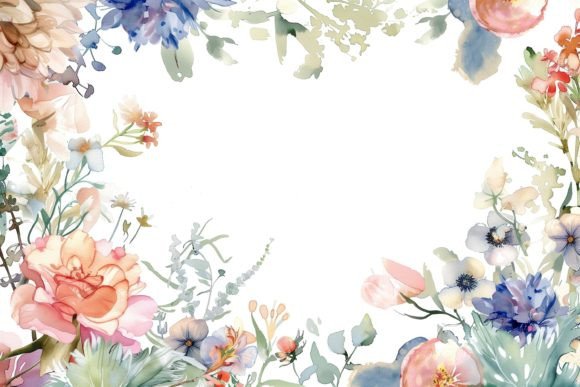
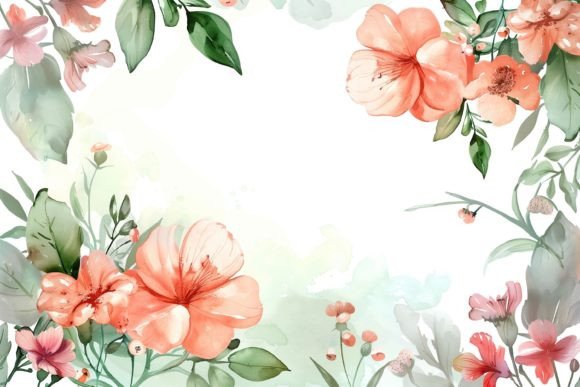
The Watercolor Floral Border represents a specific intersection of artistic technique and graphic design utility. It is characterized by soft, bleeding pigments that mimic the behavior of water-based paint on paper, arranged specifically to frame content rather than dominate it. When evaluating assets like a watercolor floral border JPG – 2688 x 1792 px, users are typically looking for high-resolution imagery that offers versatility across digital and print media. This format combines the organic, imperfect charm of hand-painted art with the technical precision required for modern layout workflows.
Selecting the right visual element requires more than just aesthetic preference; it demands an understanding of how the image functions within a broader composition. The following analysis explores the characteristics, applications, and strategic considerations of using this specific type of border in professional and personal projects.
Understanding the Composition
A watercolor floral border differs significantly from vector illustrations or rigid clipart. The defining feature is the texture. In a standard digital file, this texture is captured through pixel data, resulting in subtle gradients, color variations, and "hard edges" where the paint meets the white space. These imperfections are not errors but intentional artistic choices that convey authenticity and warmth.
The dimensions 2688 x 1792 px indicate a landscape-oriented canvas with a resolution suitable for high-quality printing and large-screen displays. This aspect ratio suggests the image is designed to span the width of a document, such as a letterhead, a website banner, or a presentation slide, leaving ample negative space in the center for text or primary content. Users should recognize that this specific size allows for cropping flexibility without losing the integrity of the floral motifs at the corners or edges.
Evaluating the Benefits
There are several compelling reasons to incorporate a watercolor floral border into a project. The primary advantage lies in its ability to soften the overall tone of a design. Digital interfaces and printed materials can often feel sterile or overly corporate. Introducing a watercolor floral border injects a sense of humanity and approachability that is difficult to achieve with geometric shapes or solid lines.
- Visual Hierarchy: Borders naturally guide the viewer's eye toward the center of the page. A floral arrangement frames the content, creating a clear focal point without requiring additional graphic elements.
- Brand Differentiation: In industries where minimalism dominates, a textured, organic border can serve as a unique brand identifier. It signals creativity and attention to detail.
- Versatility in Theme: The floral motif is universally recognized. Whether the context is a wedding invitation, a botanical blog post, or a seasonal marketing campaign, the imagery remains relevant and appropriate.
- High Resolution Utility: The 2688 x 1792 px specification ensures that the image retains clarity when scaled up. This prevents the pixelation that often ruins low-quality borders in print environments.
Considerations and Tradeoffs
While the aesthetic appeal is evident, integrating a watercolor floral border involves specific tradeoffs that designers must manage. The most significant challenge is the potential for visual clutter. Because watercolor paintings rely on complex textures and overlapping colors, they can compete with text if not positioned correctly.
Readers evaluating this asset should consider the following constraints:
- Contrast Requirements: If the background behind the border is busy or dark, the transparency of the watercolor effect may be lost. These borders generally require a clean, light background to maintain their delicate appearance.
- File Format Limitations: As a JPG file, the image does not support transparency. Unlike PNG formats, you cannot easily remove the white background to layer the border over other images. This necessitates careful placement during the design phase.
- Color Consistency: Watercolor effects often contain subtle color shifts. On different screens or when printed on various paper stocks, the hues may appear slightly different than intended. Proofing is essential before final production.
- Overuse Risk: Using this style too frequently can lead to a dated or generic look. It works best when used sparingly to highlight specific sections rather than as a permanent fixture on every page.
Situations Where This Asset Is a Strong Fit
Determining whether a watercolor floral border JPG – 2688 x 1792 px aligns with your goals depends heavily on the context of the project. This asset is particularly effective in scenarios where emotional connection and elegance are prioritized over strict structural rigidity.
It is an excellent choice for wedding and event stationery. The organic nature of the flowers mirrors the romantic and celebratory themes associated with these events. Similarly, in lifestyle blogging and editorial design, the border adds a curated, magazine-like quality that enhances readability while maintaining visual interest.
For small business branding, particularly in sectors like beauty, wellness, crafts, and home decor, this border serves as a non-verbal cue for quality and care. It suggests that the product or service being offered is handmade or thoughtfully crafted. In these contexts, the 2688 x 1792 px resolution allows for consistent application across social media headers, email signatures, and physical packaging.
When Alternatives May Be Worth Considering
Despite its versatility, there are situations where a watercolor floral border may not be the optimal solution. If the goal is to convey speed, efficiency, or technological innovation, the soft, slow-paced nature of watercolor might send the wrong message. In such cases, a geometric line border or a solid color divider would be more appropriate.
Furthermore, if the project requires heavy customization, such as changing the flower species or adjusting the color palette to match a specific brand guideline exactly, a static JPG file presents limitations. Vector-based designs offer infinite scalability and editable paths, allowing for precise adjustments that raster images cannot support. Additionally, for web accessibility purposes, highly decorative borders can sometimes distract screen readers or visually impaired users if not coded carefully. In these instances, a simpler, less ornamental design is often the better ethical and functional choice.
Practical Decision-Making Insights
To decide if this asset fits your needs, evaluate the hierarchy of your content first. Does the text need to stand out sharply against the background? If so, ensure the border does not encroach too far into the central reading area. The 2688 x 1792 px dimension provides a wide margin, which is beneficial, but you must still leave sufficient whitespace for legibility.
Next, assess the medium of delivery. For print projects, verify that the DPI (dots per inch) is sufficient for the intended output size. While the pixel count is high, the physical print size matters. For digital use, ensure the file weight does not negatively impact page load speeds, although a single border image is rarely a performance bottleneck.
Finally, test the visual balance. Place the watercolor floral border on your draft layout and step back. Does it enhance the content, or does it demand attention away from the message? If the answer is the latter, consider reducing the opacity or cropping the image tighter to focus only on the corner accents.
In conclusion, a watercolor floral border is a powerful tool for adding texture and emotion to design work. Its effectiveness relies on thoughtful integration rather than mere decoration. By weighing the benefits of its organic aesthetic against the practical constraints of file format and visual clutter, creators can make informed decisions that elevate their projects. Whether used for a formal invitation or a creative blog header, this asset offers a timeless appeal that bridges the gap between traditional art and modern communication.